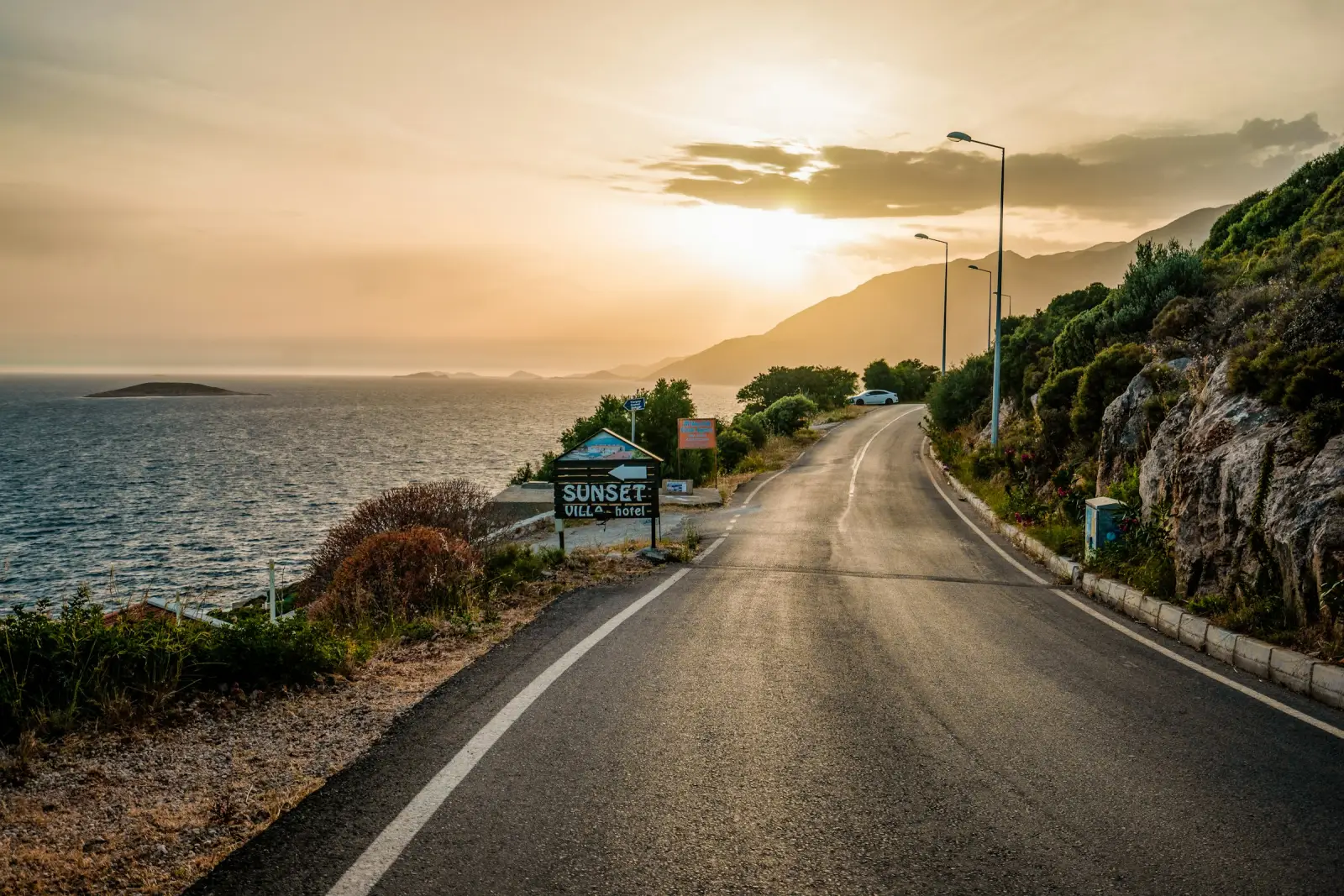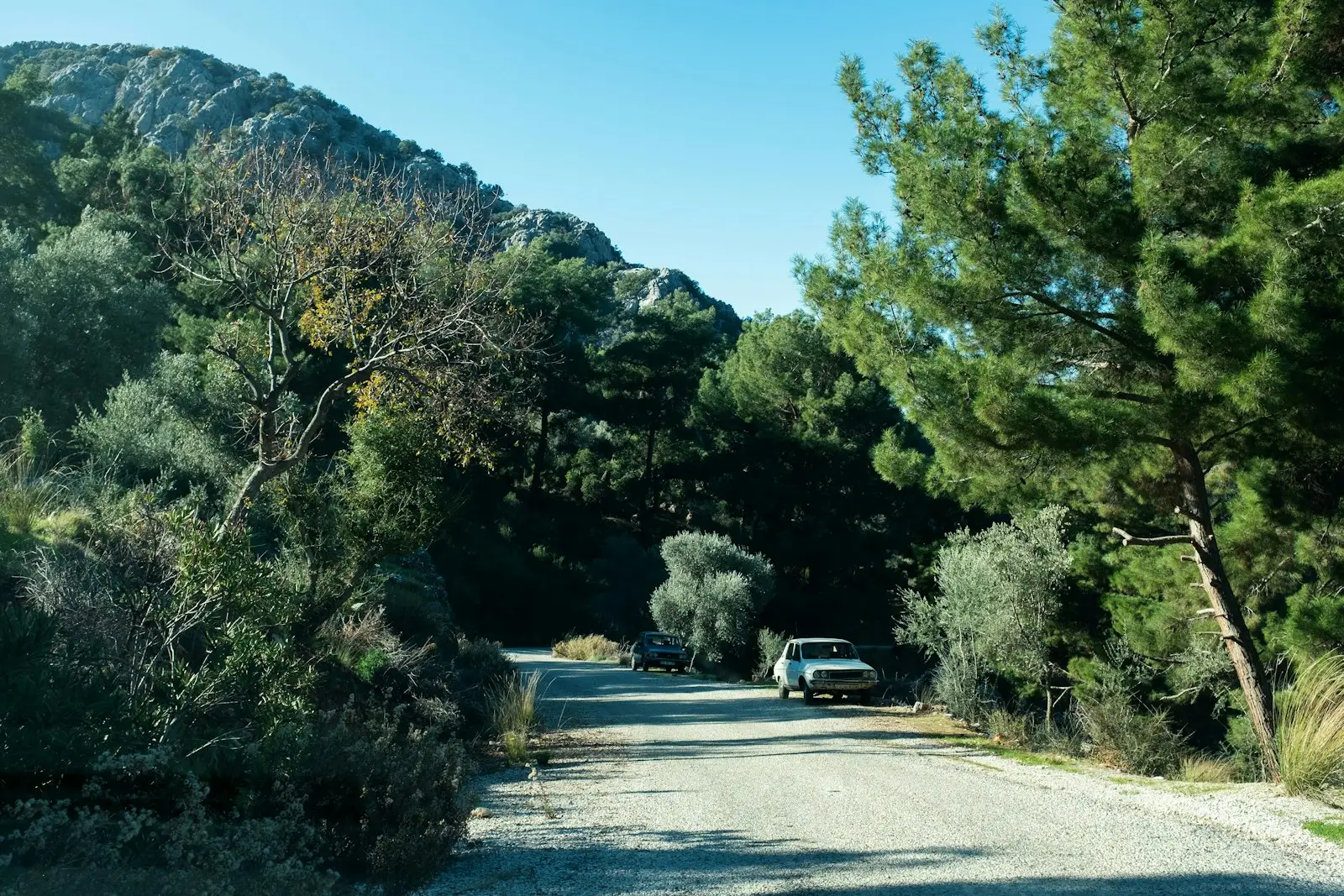
Renting a car in Turkey is easy at the main airports and cities, and it is the key to a good road trip. You will generally need a valid driving licence held for a minimum period, a credit card in the main driver's name for the deposit, and your passport. Most rental cars are manual, so book early if you want an automatic. Insurance usually comes with an excess, and extras such as tyre and glass cover are sold separately. One-way rentals are widely available for a drop-off fee, and almost every rental car has an HGS tag for electronic motorway tolls.
Below we explain each step: what rental companies ask for, which insurance types matter, how one-way drop-off and tolls work, and how to check the car at pick-up and return. Terms vary between companies and change over time, so always read your own rental agreement.
Who can rent a car in Turkey?
Age requirements
Rental companies set their own minimum age, which usually depends on the car category. For standard cars, drivers typically need to be in their early twenties at least, and larger or premium cars often require older drivers. Young drivers may pay a surcharge or be limited to smaller cars. Some companies also have a maximum age. Check the conditions for the specific car before booking.
Licence requirements
You need a full, valid driving licence, and most companies require that you have held it for a minimum number of years (often one or two, more for premium cars). Bring the physical licence: photos or digital copies are not accepted at the desk.
Whether you also need an International Driving Permit depends on your nationality, your licence and the rental company. Some governments, such as the UK, currently advise carrying a 1968 International Driving Permit in Turkey, and companies may ask for one, especially if your licence is not in the Latin alphabet. Check before you travel. Our guide to driving in Turkey covers licence rules in more detail.
Additional drivers
If more than one person will drive, register every driver on the rental agreement at pick-up. Each driver must show a licence and meet the age rules. An unregistered driver is usually not covered by insurance, which could be very costly after an accident.
Deposit and credit card
Most rental companies in Turkey take a security deposit by blocking an amount on a credit card when you collect the car. Key points:
- The card usually has to be a credit card (not a debit or prepaid card) in the main driver's name.
- Make sure the card has enough available limit for the deposit plus any other travel spending.
- The block is released after you return the car, but your bank may take several days or longer to show the release.
- The deposit amount depends on the company, the car category and the insurance you choose. Higher insurance cover often means a lower deposit.
If you do not have a credit card, ask before booking. Some companies accept alternatives, but many do not.
Car rental insurance in Turkey
Insurance terms are where rental offers differ most. Read what is included and what the excess (deductible) is, which is the amount you pay if the car is damaged.
Third-party liability
Compulsory third-party insurance (trafik sigortası) is included with rental cars in Turkey. It covers damage you cause to other people and their property, not the rental car itself.
Collision Damage Waiver (CDW)
CDW limits what you pay for damage to the rental car to the excess amount. It is usually included in the basic price, but the excess can be high. Super CDW or full cover options reduce the excess, sometimes to zero.
Theft protection
Theft protection (TP) limits your liability if the car is stolen. It often comes bundled with CDW, again with an excess.
Tyres, glass and underside
Standard CDW frequently excludes tyres, windscreen and windows, headlights, mirrors and the underside of the car. Separate cover for these is commonly offered at the desk. On rural roads and gravel tracks, tyre and glass damage are among the most common problems, so this cover is worth considering.
What insurance usually does not cover
Even with full cover, insurance can be void if:
- The driver is not registered on the agreement
- The driver has been drinking
- The car is driven off paved roads where the agreement forbids it
- There is no official accident report when one is required
- Keys are lost or the wrong fuel is used (often excluded or charged separately)
After any accident, you will normally need an official report, such as a police report or a signed accident report form, and often an alcohol test, for the insurance to apply. Ask the rental company exactly what is required.
Airport pick-up
Airport pick-up is the most convenient option for most road trips. Istanbul Airport, Sabiha Gökçen, Antalya, Dalaman, Izmir Adnan Menderes, Bodrum-Milas, Kayseri and Nevşehir-Kapadokya all have rental desks or meeting points.
Some companies have desks in the terminal; others meet you in the arrivals hall or run a shuttle to an office nearby. Check your instructions and keep the company's phone number handy in case of flight delays. If your flight lands late at night, confirm the office will be open.
On Istanbul itineraries, it is usually best to explore the city first without a car and collect it on your way out, at the airport or on the outskirts. City driving is tiring and parking is scarce.
One-way rentals and drop-off fees
Turkey is ideal for one-way road trips: Istanbul to Fethiye, Antalya to Dalaman, Izmir to Antalya and so on. Most larger rental companies allow you to return the car in a different city or airport. Expect:
- A one-way drop-off fee, which depends on the distance and the locations.
- Limited availability between some locations, especially smaller towns.
- Better options between major airports than between city offices.
Plan the drop-off point together with your flights. For example, the Antalya to Dalyan route can end at Dalaman airport, and the Milas to Dalaman route links Bodrum-Milas and Dalaman airports. Our self-drive Turkey guide explains when a loop or a one-way route makes more sense.
Manual or automatic?
Most rental cars in Turkey have manual gearboxes, particularly in the economy and compact categories. Automatic cars are available but in shorter supply, and often only in higher categories.
If you are not comfortable with a manual, book an automatic well in advance, especially for summer and holiday periods, and make sure the confirmation clearly states "automatic". Mountain roads, steep old-town streets and stop-and-go traffic are more relaxing in an automatic.
Choosing the right car size
A compact car is fine for two people and two suitcases. For families or groups with large luggage, consider an estate (station wagon), SUV or minivan. Remember that old towns and coastal villages have narrow lanes, so bigger is not always better. Many rental cars run on diesel, which is economical for long distances.
Child seats
Children must travel in a suitable child seat for their age and size. Rental companies offer baby seats, child seats and boosters as extras, but stock is limited, so request them when you book and confirm them before you travel.
Check the seat at pick-up: correct size, clean, undamaged and with instructions. Some families prefer to bring their own seat from home, which most airlines carry.
Inspecting the car at pick-up
A few minutes of checking at the start can save a dispute at the end.
- Walk around the car with the rental agent and make sure every scratch, dent and chip is marked on the damage form.
- Take photos and a short video of the outside, the wheels, the windscreen and the interior, including the fuel gauge and mileage.
- Check the tyres for wear, and confirm there is a spare (or a repair kit) and a jack.
- Look for the safety kit: warning triangle, first-aid kit and, if supplied, a reflective vest and fire extinguisher.
- Confirm the HGS toll tag on the windscreen and ask how tolls will be charged.
- Check the documents in the car: registration, insurance and the rental agreement.
- Note the fuel policy. Many companies use same-to-same (return it with the same level), others full-to-full.
- Save the 24-hour assistance number.
HGS tolls in a rental car
Turkish motorways and major bridges, such as the Osmangazi Bridge and the 1915 Çanakkale Bridge, are tolled electronically. There are no cash booths. Almost every rental car has an HGS sticker tag on the windscreen that is read automatically at toll points.
The rental company usually charges the tolls you used to your card after the rental, sometimes with a service fee. Before you drive away, confirm that the tag is active. Driving through a toll point without a working tag leads to a fine, which the rental company will pass on to you. For more on tolls, bridges and speed limits, see driving in Turkey.
Taking a rental car on ferries and to islands
Some road trips include a car ferry, for example across the Dardanelles between Çanakkale and Eceabat, across the Gulf of Izmit between Eskihisar and Topçular, between Bodrum and the Datça peninsula, or out to islands such as Bozcaada and Gökçeada.
Many rental agreements restrict or forbid taking the car on ferries or to islands, or require permission in advance, and insurance may not cover damage on board. Always check the terms and ask the company before you plan a ferry crossing. Taking a rental car out of Turkey, for example to Greece, Georgia or Bulgaria, is generally not allowed without special permission and documents.
Returning the car
- Allow time. At airports, plan to arrive with extra time for the return check, especially before an international flight.
- Refuel according to the fuel policy, and keep the receipt.
- Remove your belongings and do a quick clean if the car is very sandy or dirty; some companies charge for excessive cleaning.
- Inspect the car with the agent and get a signed return form stating there is no new damage.
- Take photos of the car, the fuel gauge and the mileage at return.
- Keep all documents for a few months in case of later toll charges or traffic fines.
If you return the car outside office hours, ask in advance how key drop-off works and take clear photos, because the inspection will happen after you leave.
Traffic fines and later charges
Fines from speed cameras and toll violations are linked to the plate and reach the rental company, sometimes weeks later. The company will usually charge them to your card along with an administration fee. Driving within the limits and keeping the HGS tag active is the easiest way to avoid surprises.
How Road Trip Turkey arranges the car
When you travel with Road Trip Turkey, the rental car is part of your trip. We arrange a car that fits your group and luggage, with pick-up and drop-off points matched to your flights and route. If you want an automatic, child seats or extra drivers, we include them in the request. We also explain the main rental conditions before you travel, so there are no surprises at the desk.
On the road, our team is available 24/7. If you have a flat tyre, a warning light or a question about the car, call us and we will help you with the rental company.
Plan it as a self-drive trip
A rental car is only one part of a good road trip. The route, the hotels, the pick-up and drop-off points and the time you spend at each stop all need to fit together.
Tell us your travel dates, who is coming and what you would like to see, and we will design a personal self-drive itinerary with the car and hotels arranged. Ask us for your itinerary and we will send you a first proposal.