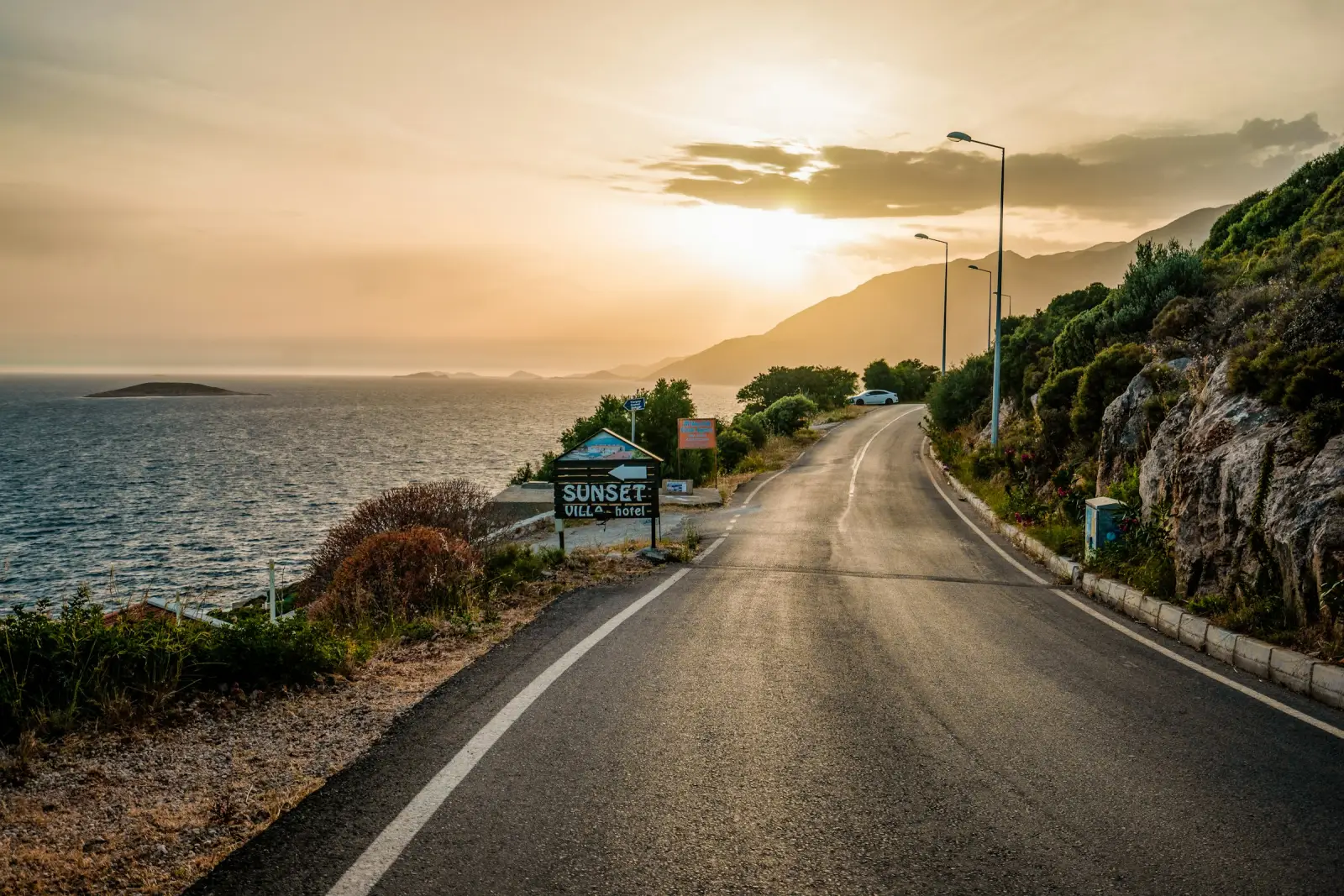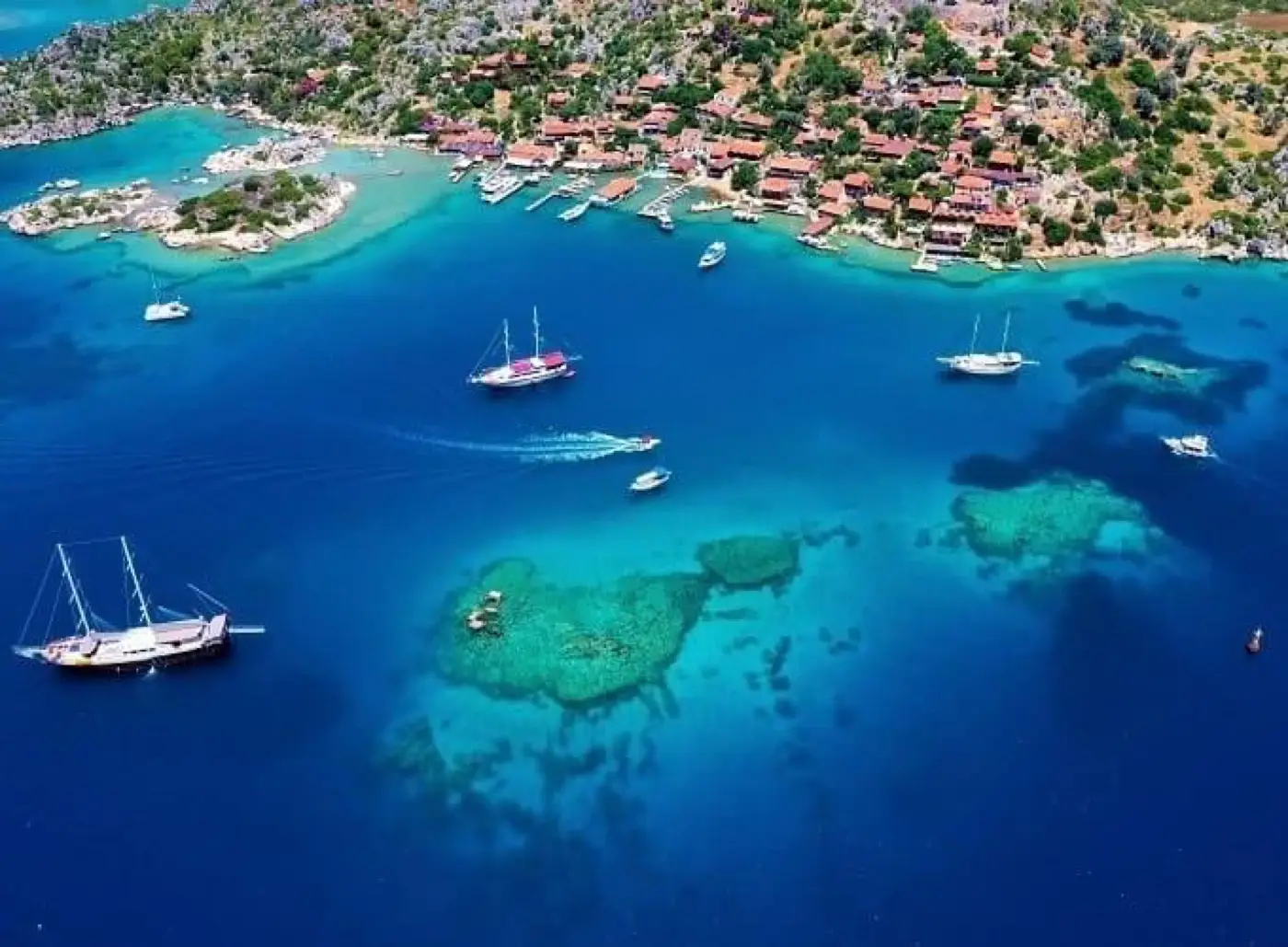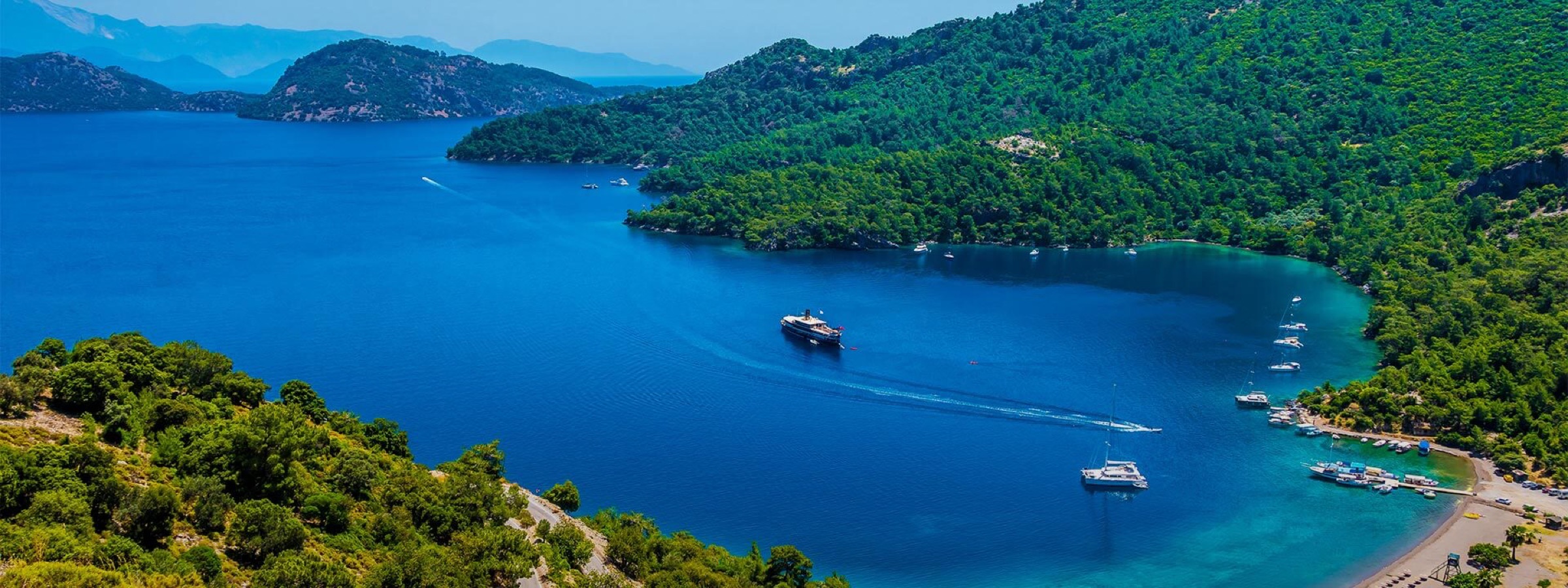
The best time for a road trip in Turkey is spring (April to early June) and autumn (September to October, often into early November on the south coast). In these months the weather is comfortable for both driving and sightseeing, the sea on the Aegean and Mediterranean coasts is warm enough to swim from late May to October, and the big sites are calmer than in July and August. Summer is perfect for beach-focused routes and the Black Sea, while winter suits Istanbul and Cappadocia but limits coastal travel.
Turkey is a large country with several climates, so the right month also depends on where you are going. Below we look at each season and each region, then at holidays and crowds. Weather varies from year to year, so treat these as general patterns and check the forecast before you travel.
Turkey's road trip regions and their climates
- The Aegean and Mediterranean coasts (Izmir, Ephesus, Bodrum, Fethiye, Kaş, Antalya) have hot, dry summers and mild, wetter winters. The south coast around Antalya is the warmest.
- The inland Aegean (Pamukkale, Aphrodisias) is hotter in summer than the coast and colder in winter.
- Central Anatolia and Cappadocia sit on a high plateau, with hot days and cool nights in summer and cold, sometimes snowy winters.
- The Black Sea is green because it is wet. Rain is possible in every season, and summers are milder than in the south.
- Istanbul and Marmara have warm summers and cool, damp winters, with occasional snow.
Spring: April to early June
Spring is one of the two best seasons for a road trip in Turkey.
April brings green hills, wildflowers and pleasant temperatures for walking around ancient sites such as Ephesus, Pergamon and Aphrodisias. The sea is still cool for most swimmers. In Istanbul, the tulips flower in the parks. Cappadocia is fresh, with cold early mornings for balloon flights.
May is excellent almost everywhere. The coast warms up, the countryside is still green, and days are long. It is a great month for the Lycian coast, the Aegean classics and Cappadocia.
Early June is the start of summer on the coast. The sea is warm and the roads are still calmer than in high season. Inland sites start to get hot in the afternoon, so plan morning visits.
Watch out for: occasional spring rain, especially in Istanbul and on the Black Sea, and cool nights in Cappadocia.
Summer: mid-June to August
Summer is high season on the coast. It is the time for swimming, boat trips and long evenings, but also for heat and crowds.
On the coast, July and August are hot and sunny, with very warm sea temperatures. Beaches such as Ölüdeniz and the Blue Lagoon and Patara, and boat trips to Kekova, are at their liveliest. Book hotels and the rental car early, especially if you need an automatic.
At inland sites, midday heat can be intense. Pamukkale and Ephesus are best at opening time or late in the day. Plan driving for the cooler hours and keep plenty of water in the car.
In Cappadocia, summer days are hot but nights are cooler thanks to the altitude. It is a busy balloon season.
On the Black Sea, summer is the most reliable season, with green landscapes and milder temperatures than the south. It is a good escape from the heat, although rain is still possible.
Watch out for: wildfire risk in hot, dry, windy weather along the Aegean and Mediterranean, which can occasionally close roads. Follow local instructions and report any fire to 112.
Our Grand Turkey for summer route is designed for this season, with more time by the sea.
Autumn: September to November
Autumn rivals spring as the best time for a road trip in Turkey, and for beach lovers it may be even better.
September keeps summer warmth with fewer crowds. The sea is at its warmest, the light is softer and the big sites are calmer, especially after the summer school holidays in Europe.
October is ideal for combining the coast and the interior. Days are still warm on the south coast, and walking in Cappadocia or around the Aegean sites is comfortable. The Black Sea forests around Yedigöller and Safranbolu turn golden, often around mid to late October.
November is quieter. The south coast around Antalya can still be mild and sunny, but rain becomes more frequent, some seasonal hotels close, and Cappadocia gets cold at night. Days are shorter, so plan less driving per day.
Watch out for: the first autumn storms on the coast and shorter daylight hours for driving.
Winter: December to March
Winter is the quietest season. It is not the time for a coastal beach trip, but it can be a beautiful time for some routes.
Istanbul is atmospheric and calm, with fewer visitors at Hagia Sophia and Topkapı Palace. Expect rain and cold wind, and occasionally snow.
Cappadocia under snow is magical: white fairy chimneys, cosy cave hotels and clear winter mornings. Balloon flights continue in winter when weather allows, but they are cancelled more often because of wind, fog or snow. Roads on the plateau can be icy, so ask about winter tyres when you rent the car and leave flexibility in your plan.
The south coast around Antalya is mild compared with the rest of the country, and the ancient sites of Perge, Aspendos and Side are pleasant to explore. Many smaller coastal towns are very quiet, and some hotels close.
Mountain passes, such as the roads crossing the Taurus mountains between Cappadocia and Antalya, can see snow and ice. Check the forecast and road conditions before you drive.
Our Grand Turkey for non-summer route is designed for the cooler months, with more time at inland sites.
Best time by region at a glance
- Lycian coast and Mediterranean: May to June and September to October. July and August for maximum beach time, with heat and crowds.
- Aegean classics (Troy, Pergamon, Ephesus): April to June and September to October. Avoid midday in summer.
- Pamukkale and Aphrodisias: April to May and September to November.
- Cappadocia: April to June and September to October for walking; winter for snow scenery; balloons fly year-round when the weather allows.
- Black Sea (Safranbolu, Amasra): June to September for the most stable weather; October for autumn colours. Rain is possible at any time.
- Istanbul: April to May and September to November are most pleasant, but the city works year-round.
Cappadocia balloons and the weather
Hot-air balloon flights in Cappadocia take place at sunrise and depend entirely on the weather. Flights are cancelled when the wind is too strong or visibility is poor, which can happen in any season but is more common in winter. Flights can be suspended for several days in a row.
If the balloon flight is important to you, plan at least two or three nights in Cappadocia and try to book the flight for your first morning. If it is cancelled, you have another chance. Read more in our Cappadocia hot-air balloon tour guide and what to do in Cappadocia.
Holidays and crowds to plan around
Turkish public and religious holidays affect road traffic, hotel availability and crowds at popular sites.
Religious holidays that move every year
The two main religious holidays, Ramazan Bayramı (Eid al-Fitr, at the end of Ramadan) and Kurban Bayramı (Eid al-Adha), follow the Islamic lunar calendar. Their dates move about 11 days earlier each year compared with the Western calendar.
For example, in 2027 Ramazan Bayramı falls in early to mid-March (9 to 11 March) and Kurban Bayramı in mid-May (16 to 19 May), according to the official Turkish calendar. Check the dates for your travel year, as they change.
During these holidays:
- Millions of people travel to visit family or take a break, so intercity roads are very busy, especially on the first and last days.
- Coastal resorts and popular towns fill up, and hotels can be fully booked.
- Holidays are sometimes extended into longer breaks by government decision, which adds to the crowds.
- Some public offices and smaller shops close, although tourist services usually stay open.
During Ramadan itself, life continues as normal for visitors, restaurants in tourist areas are open, and evenings are lively. Traffic can be hectic around sunset as people head home to break the fast.
National holidays
Fixed public holidays include New Year's Day (1 January), National Sovereignty and Children's Day (23 April), Labour Day (1 May), Commemoration of Atatürk, Youth and Sports Day (19 May), Democracy and National Unity Day (15 July), Victory Day (30 August) and Republic Day (29 October). These can bring extra domestic travel, particularly when they create a long weekend.
School holidays
Turkish schools have a long summer break from around mid-June to early September, and a shorter winter break in late January and early February. Domestic coastal travel peaks in July and August, when European school holidays also bring visitors.
Anzac Day at Gallipoli
On 25 April, dawn services at Gallipoli attract many visitors from Australia and New Zealand. Accommodation around Çanakkale and Eceabat books up well ahead, and access to the peninsula can be restricted around the ceremonies. If you are not attending, it is easier to visit on other days.
How the season changes your road trip
- Daylight: in June you have long evenings for driving and sightseeing; in December days are short, so plan shorter driving days and arrive before dark.
- Heat: in summer, start early, visit sites in the morning and keep the afternoon for the pool, the beach or the drive.
- Bookings: for July, August and holiday periods, book hotels and the rental car early, especially automatics and larger cars.
- Flexibility: in winter, build in a spare day for weather, especially in Cappadocia and on mountain roads.
For the bigger picture, read our self-drive Turkey guide and the 10 best road trips in Turkey. Before you set off, our guide to driving in Turkey covers winter driving and mountain roads.
Plan it as a self-drive trip
The right season shapes the whole route: where to spend more nights, which roads to use and when to fit in the beach, the ruins or the balloons. We plan each trip around your dates.
Tell us when you are travelling and what you would like to see, and we will propose a personal self-drive itinerary that fits the season, with hotels and a rental car arranged and 24/7 support on the road. Ask us for your itinerary and we will send you a first proposal.