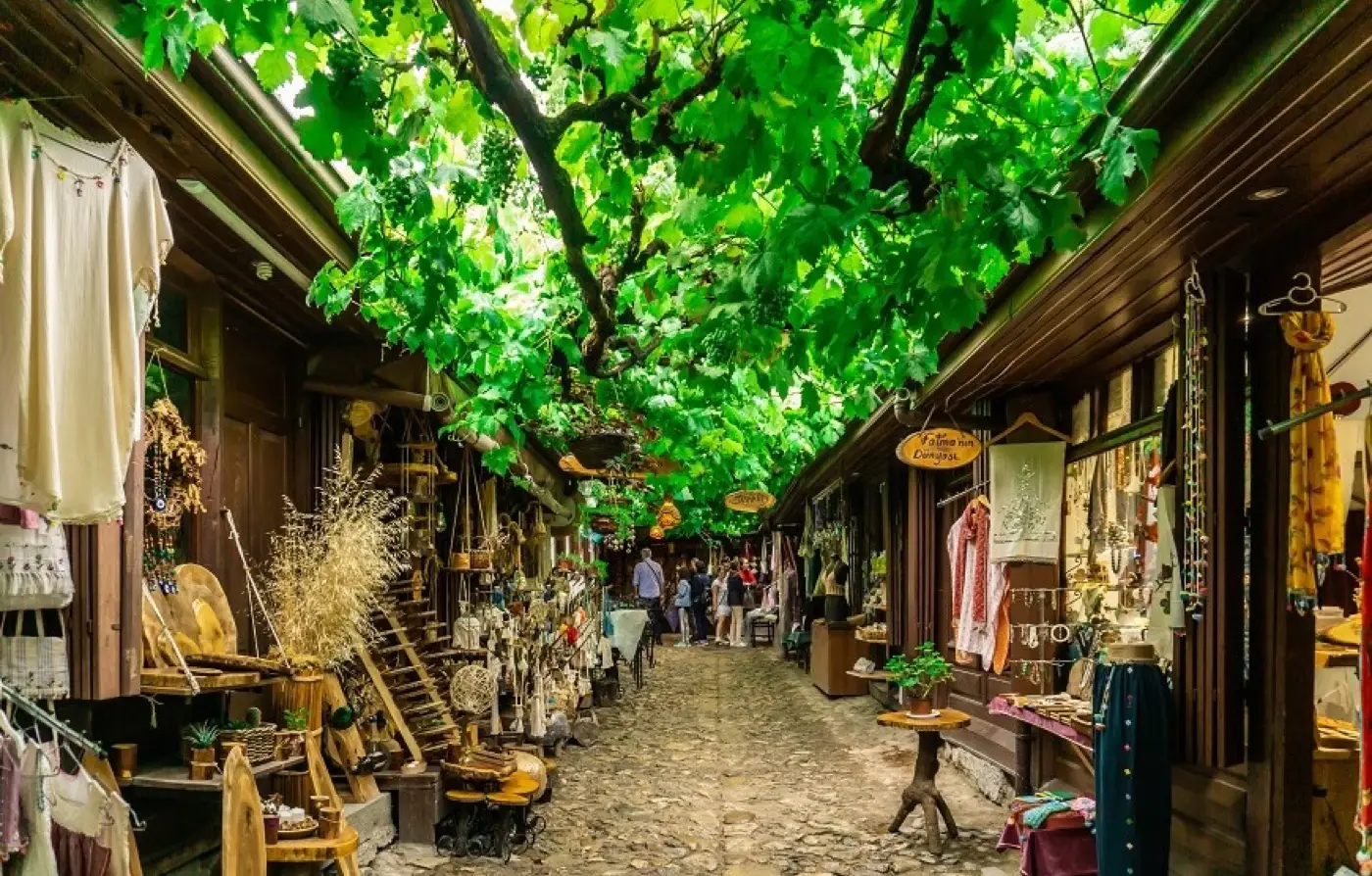
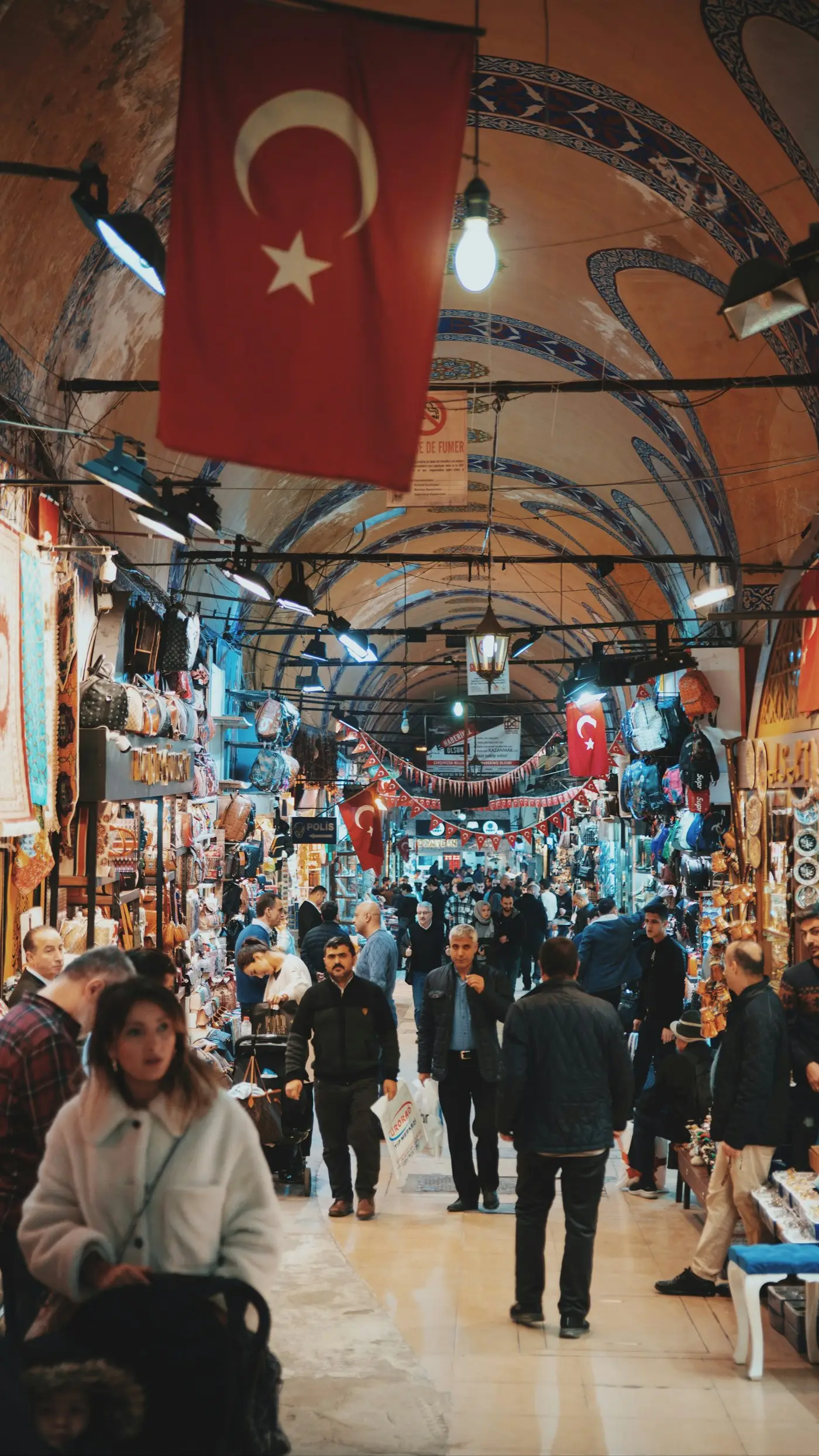
The Grand Bazaar was built in the 15th century by Fatih Sultan Mehmet. It is a historical shopping square surrounded by shops covered with roofs and domes. The Grand Bazaar, formerly known as “Çarşu-yı Kebir” in history, is divided into two parts. The name of each of these sections is called Bedesten.
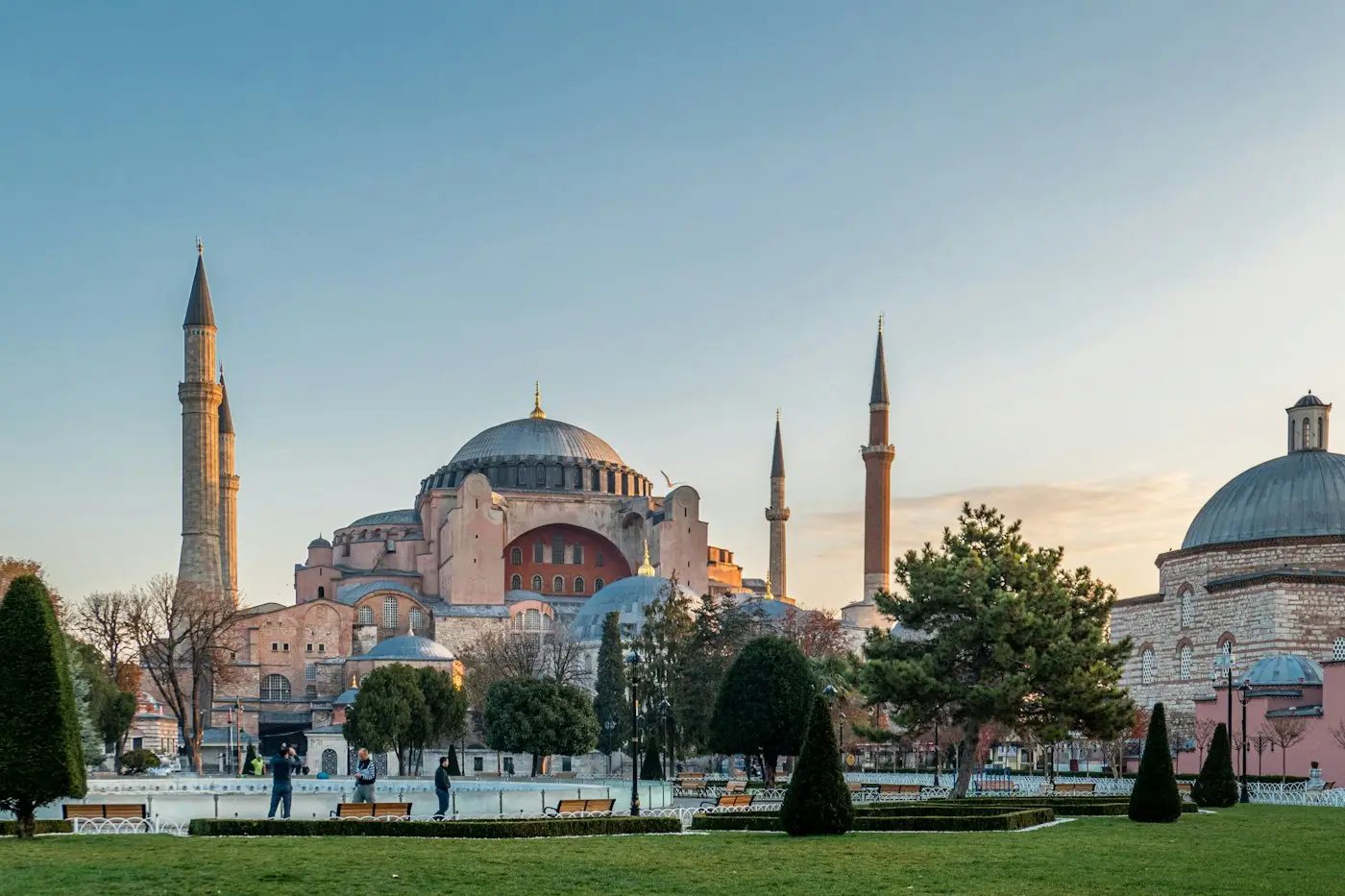
The name of the first bazaar built in 1460 was Cevahir Bedesten and all the income of the shops was given to Hagia Sophia. The Sultan made various shops and shopping centers here and made them the center of commercial life.
Architectural Features of Grand Bazaar
The Grand Bazaar was built in 1461. Because of its aesthetic design, the Grand Bazaar resembles a giant maze. It has close to 60 streets and more than 3600 shops. The historical shopping center consists of a total area of 30,700 square meters.
The Bazaar is known as both a tourism and commercial center of Istanbul. The Cevahir Bedesten of the Grand Bazaar, which resembles a complex structure due to the colorful color of the shops inside, is divided into 15 separate sections. Each section has a dome-covered appearance. You may see small cells inside the walls.
The Sandal Bedesten is surrounded by 50 domes. This decorative bedesten is one of the leading examples of Turkish architecture as dome designs. Of these two important Bedesten, they are described as the inner castles of the bazaar.
Shops in the Grand Bazaar
The Grand Bazaar is a center of attraction for countless people around the clock. It is home to shops in many different areas, including precious jewelery, weapons, antiques and food and drink. So what’s inside the Grand Bazaar?
DOORS: Kuyumcular, Nuruosmaniye, Sepetçihan, Takkeciler, Tavukpazarı, Zenneciler, Beyazıt, Çarşıkapı, Çuhacıhan and Mahmutpaşa.
STREETS: Ağa, Altuncular, Acıçeşme, Aynacılar, Basmacılar, Çuhacıhanı, fesçiler, Hacıhasan, Hacıhüsnü, İplikçiler, Kalpakçılar, Karakol, Kavaflar, Kazazlar, Kolancılar, Kürkçüler, Lütfullahefendi, Mercançıkmazı, Parçacılar, Ressam, Sandal, Serpuççular, Takkeciler, Terzibaşı, Varakçıhan, Yorgancılar, Yüncühasan, Zenneciler.
INN: Ağa, Astarcı, Bodrum, Cebeci, Çuhacı, İçcebeci, Kapılar, Kaşıkçı, Kebapçı, Kızlarağası, Sarnıçlı, Sorguçlu, Yolgeçen, Zincirli and Evliya
Where to See in Grand Bazaar?
There aren’t only shopping shops in the Grand Bazaar. Health Center, Police Station, bank branches and post office are other organizations that you can see while visiting the Grand Bazaar. The Private Security Organization is a unique institution of the bazaar.
Although the Grand Bazaar gives the impression of a complex image, there is actually a regular system here. In the area between Ağa Street and Aynacılar Street, which is at the entrance of the bazaar, the colorful images of the exchange shops and jewelers draw attention.
Cevahir Bedesten has small shops for people who make artistic decorations. Especially if you continue from the exit of Zenneciler Street, you can discover handwritten artists and antique shops. Here you can take a digital camera to take panoramic pictures. After visiting many sights in the Grand Bazaar, you should definitely stop by Feraceciler Street. Here you can relax with the frothy Turkish coffee.
Grand Bazaar Which Days Open?
The Grand Bazaar, which hosts many local and foreign tourists every year, has managed to maintain its importance until today. Visitors who come to the bazaar like it because of their friendly craftsmen and valuable handmade shops.
The Grand Bazaar is open to visitors and shopping from Monday to Saturday and closed on Sunday.